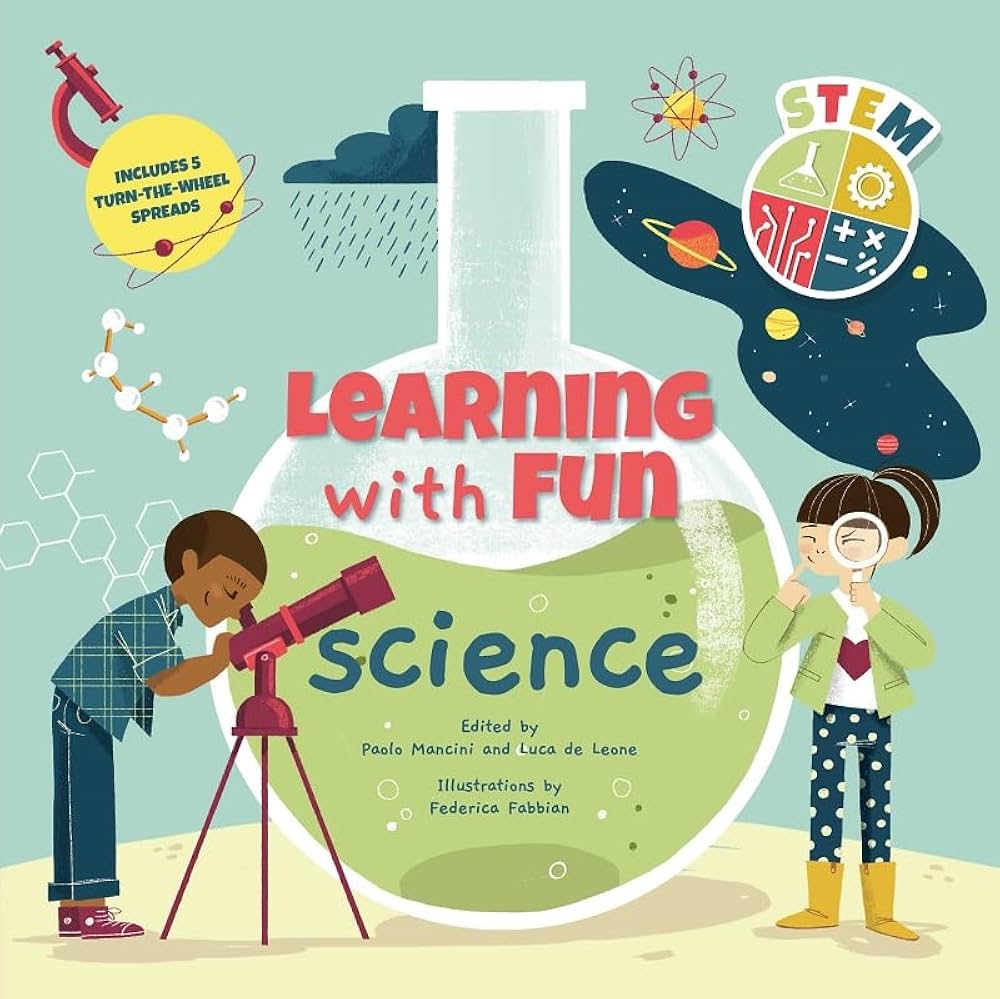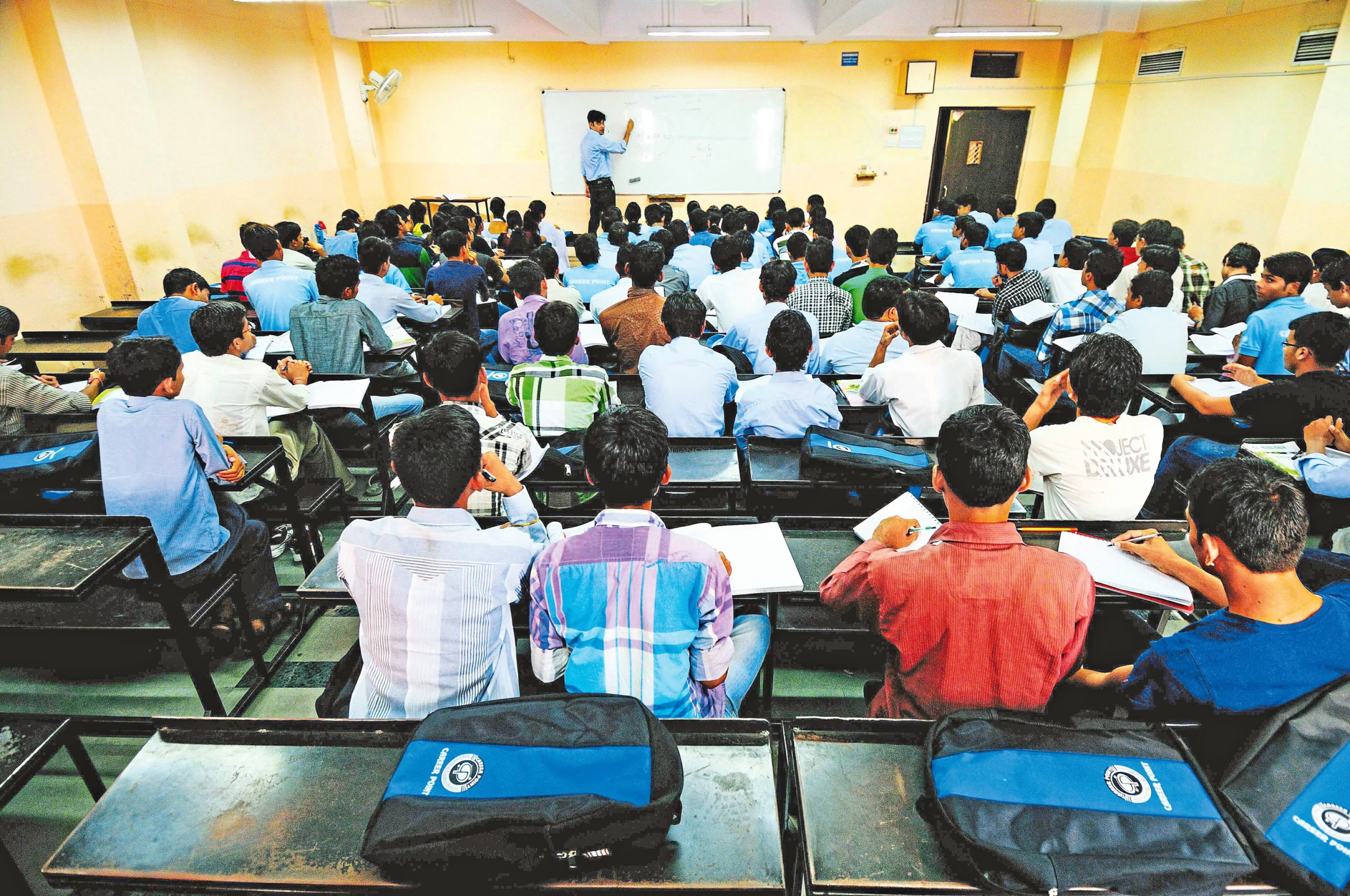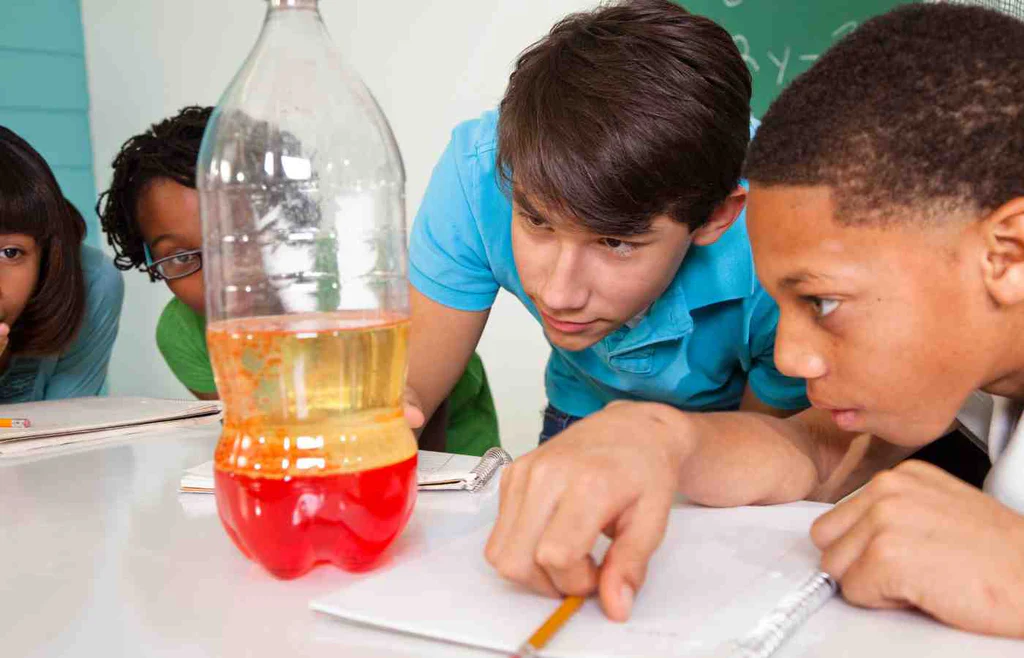

Practical learning is the backbone of effective science education. While textbooks provide knowledge, experiments and hands-on activities help students truly understand scientific concepts. Learning by doing makes science real, meaningful, and memorable.
In a practical science classroom, students observe, experiment, and explore. This active involvement improves understanding and encourages curiosity. When students perform experiments themselves, they learn how theories work in real life rather than just memorizing definitions.
Practical learning also develops essential skills such as observation, accuracy, teamwork, and problem-solving. Students learn how to record data, analyze results, and draw conclusions. These skills are important not only in academics but also in future careers and everyday decision-making.
Many scientific concepts, such as chemical reactions, electricity, or motion, become much clearer when students see them in action. Even simple experiments using everyday materials can create a strong impact on learning and interest.
As a science teacher, I encourage students to ask questions and explore different outcomes. Mistakes are treated as learning opportunities, helping students build confidence and critical thinking skills.
This blog focuses on the importance of practical science education and how it helps students become independent learners. By combining theory with hands-on experience, science becomes engaging, understandable, and inspiring.
ScienceTutor supports students in developing critical thinking, problem-solving skills, and confidence in subjects such as Physics, Chemistry, and Biology.
Contact Info
Vill-Banaharisinghapur, po-Mansuka, ps-Ghatal, Dist -Paschim medinipur
© Copyright 2025 . All Rights Reserved
Design by Vertexo Technology